
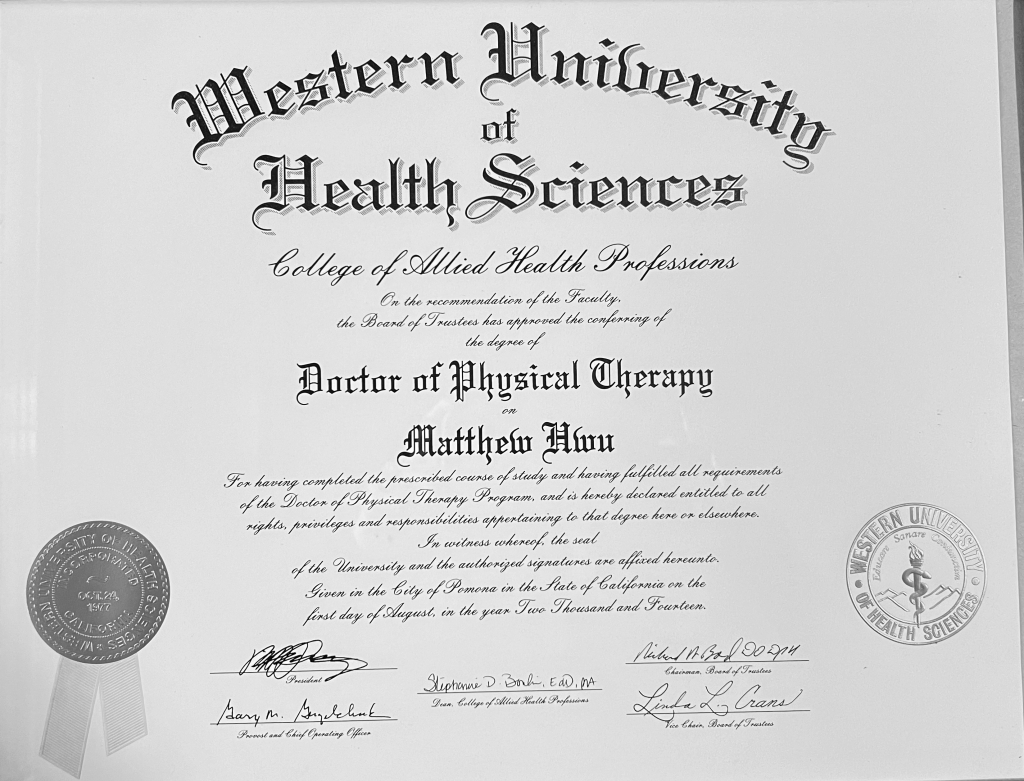
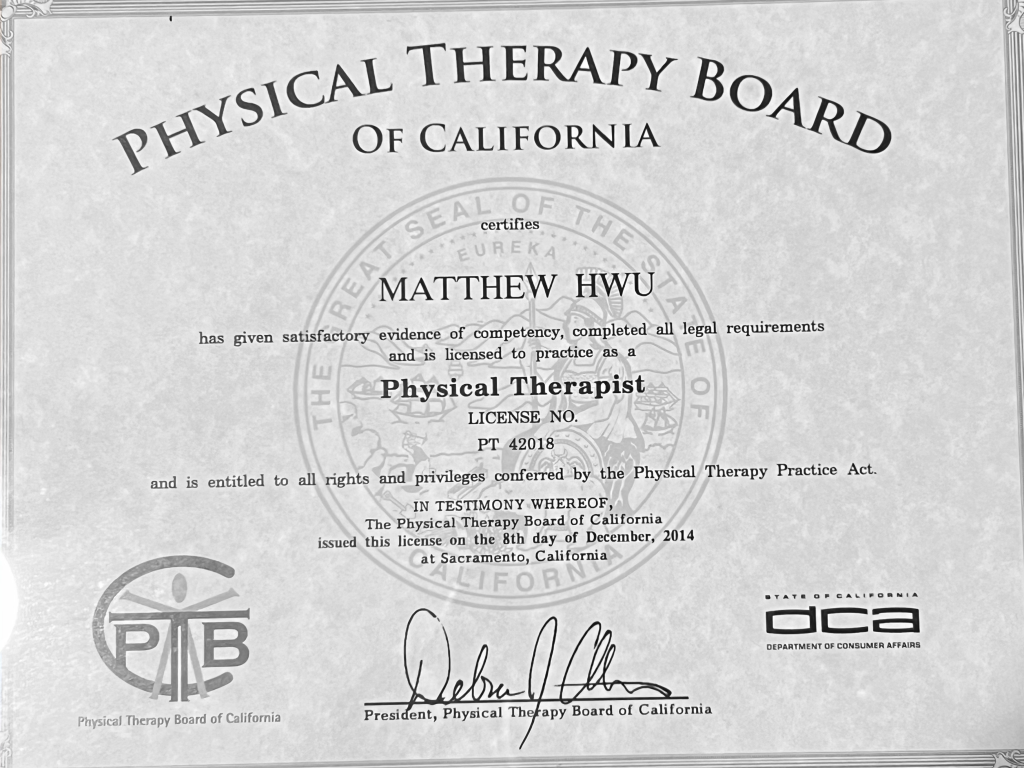
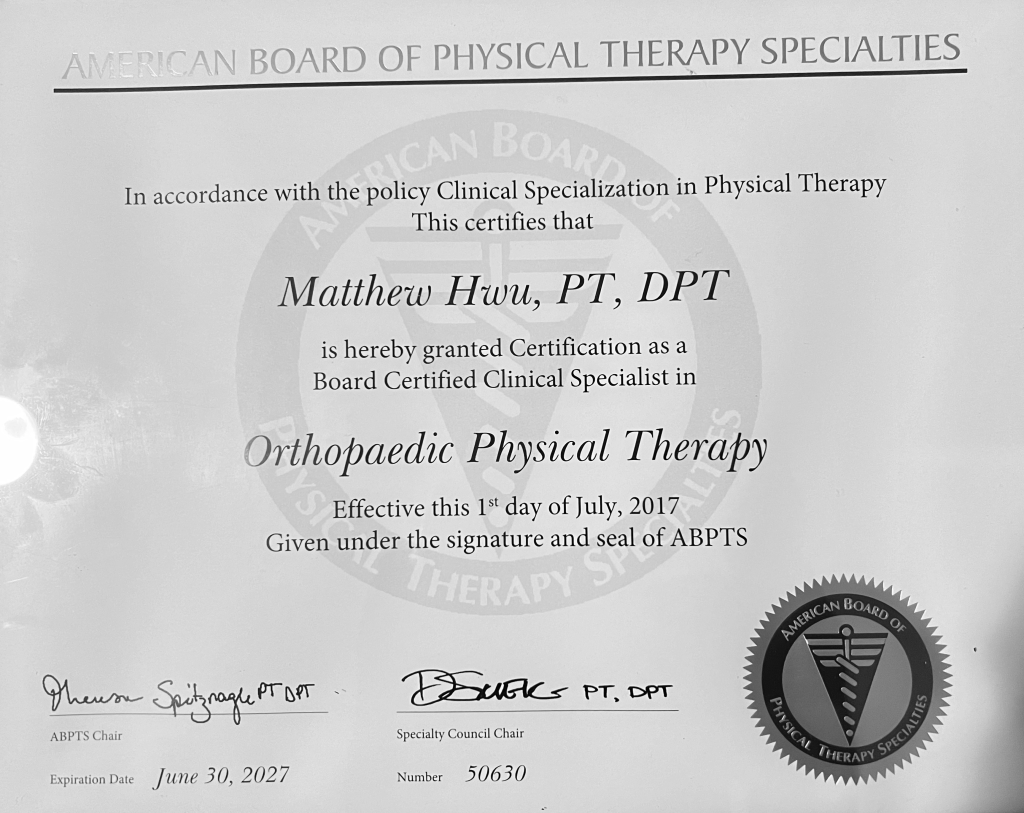
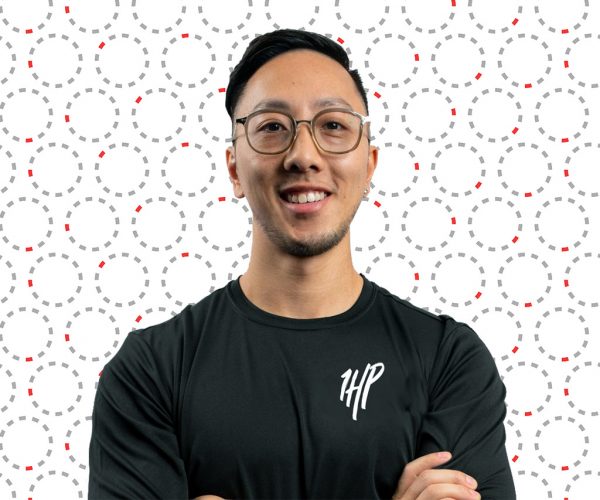
Dr. Matthew Hwu
PT, DPT, OCS, CSCS
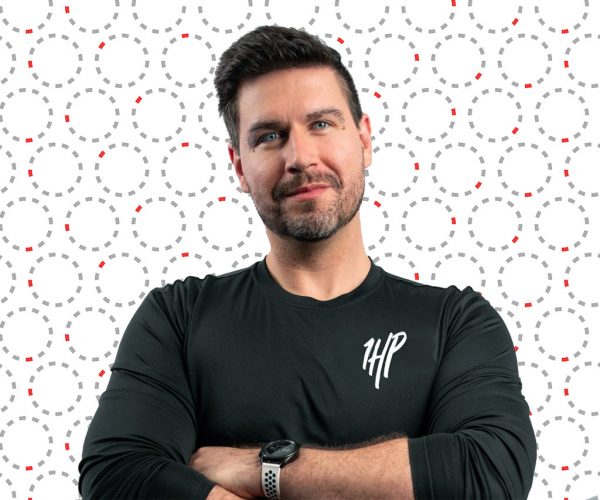
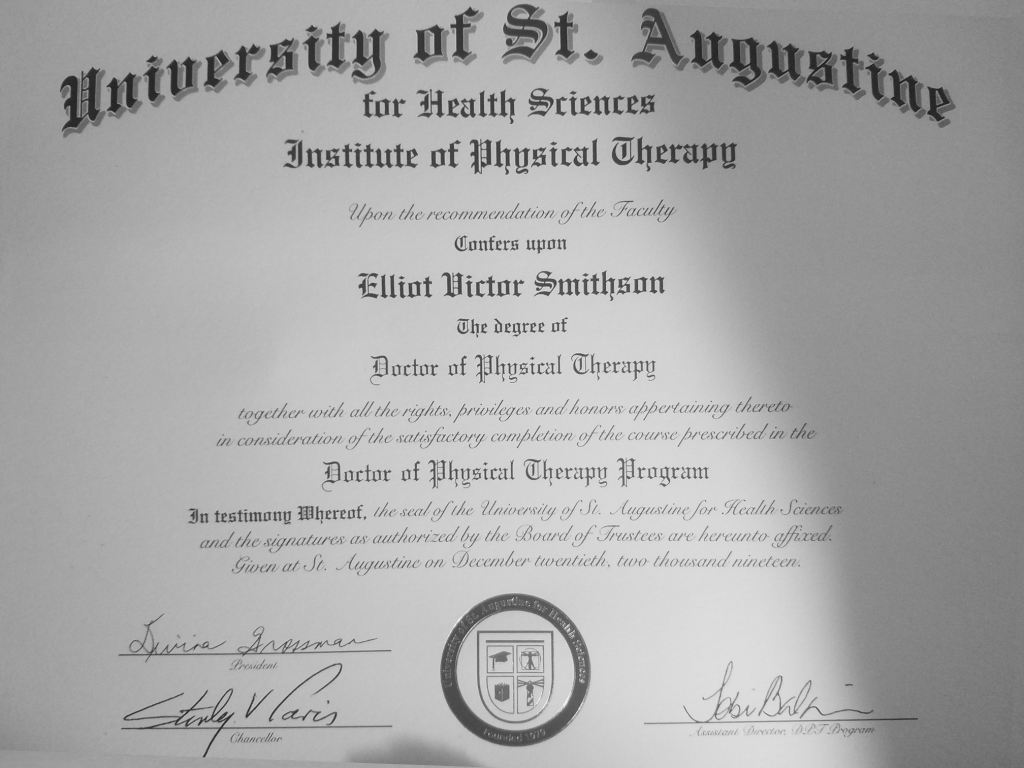
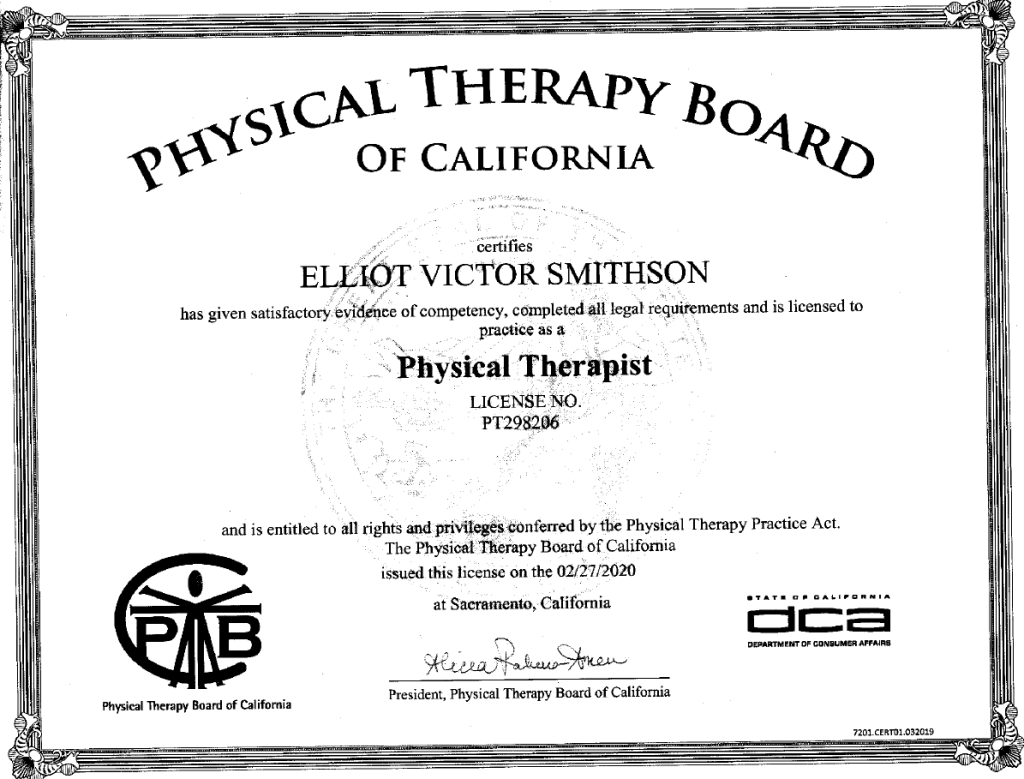
Dr. Elliot Smithson
PT, DPT, MS, ATC
About Us
We're two Physical Therapists with the core mission to help those suffering from wrist, hand & forearm pain.
Elliot and Matt saw a huge gap in the healthcare system of people suffering from wrist, hand & forearm pain.
People weren't getting the care they needed. And many times they were invalidated (gaming, music, programming, etc.)
So we spent the past decade specializing in treating wrist & hand injuries. We've read 1000s of research studies, published a few of our own (see below), spoken at national Physical Therapy Conferences (APTA CSM)…
…and have focused all of our efforts on helping you realize you have MORE CONTROL in managing your wrist pain than you realize.
Research and Publications
▶Our Work, Publications & Features
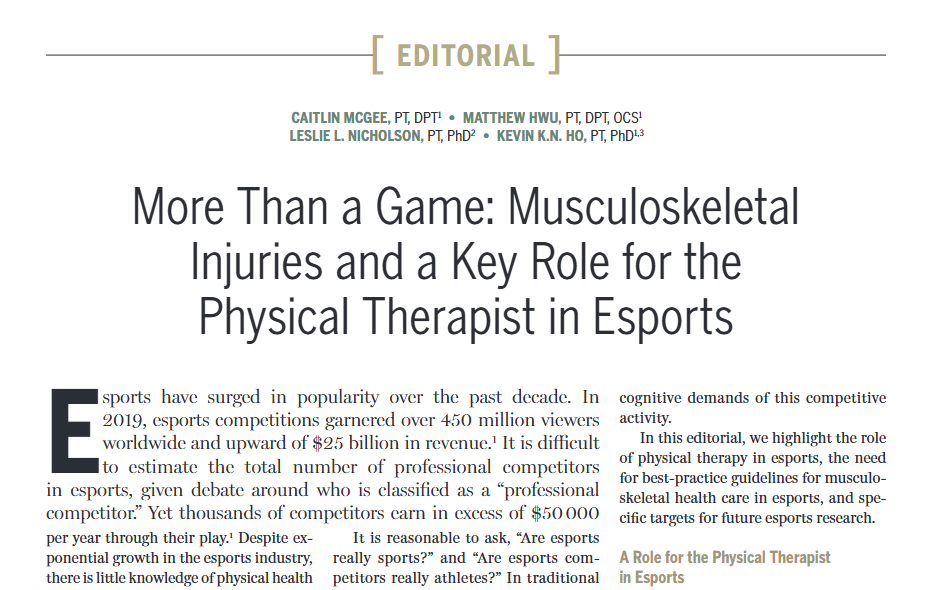
- McGee C, Hwu M, Nicholson LL, Ho KKN. More Than a Game: Musculoskeletal Injuries and a Key Role for the Physical Therapist in Esports. J Orthop Sports Phys Ther. 2021 Sep;51(9):415-417. doi: 10.2519/jospt.2021.0109. PMID: 34465141.
- Bonnar, Daniel & Hwu, Matt & Lee, Sangha & Gradisar, Michael & Suh, Aly & Kahn, Michal. (2023). The Influence of Coaches and Support Staff on the Sleep Habits of Esports Athletes Competing at Professional and Semiprofessional Level. Journal of Electronic Gaming and Esports. 1. 10.1123/jege.2022-0023.
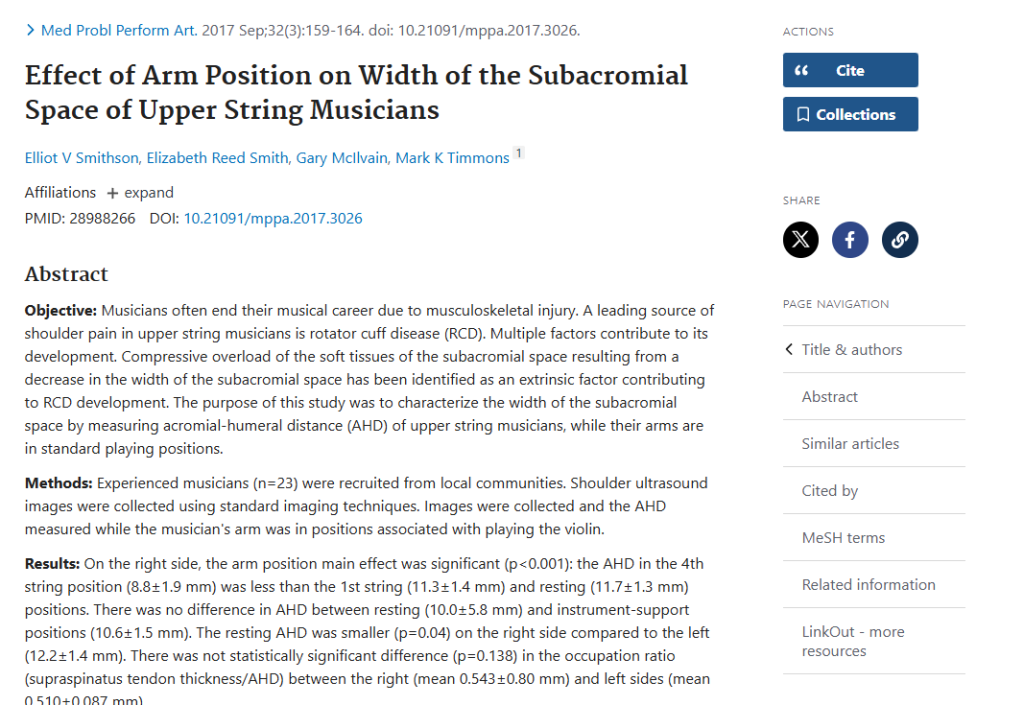
- Smithson EV, Reed Smith E, McIlvain G, Timmons MK. Effect of Arm Position on Width of the Subacromial Space of Upper String Musicians. Med Probl Perform Art. 2017 Sep;32(3):159-164. doi: 10.21091/mppa.2017.3026. PMID: 28988266.
- Hwu, M. (2021). Corrective Exercise Guidelines for Esport Impairments. Conditioning for esports. Human Kinetics.
- Hwu, M. (2021). Physical Training and Exercise Guidelines for Esport Athletes. Conditioning for esports. Human Kinetics.
- Hwu, M. (2021). Physical Training Programming for Esport Teams. Conditioning for esports. Human Kinetics.
- Schary, D. P., Jenny, S. E., & Koshy, A. (2022). Leveling Up Esports Health: Current Status and Call to Action. International Journal of Esports, 1(1). www.ijesports.org/article/70/html
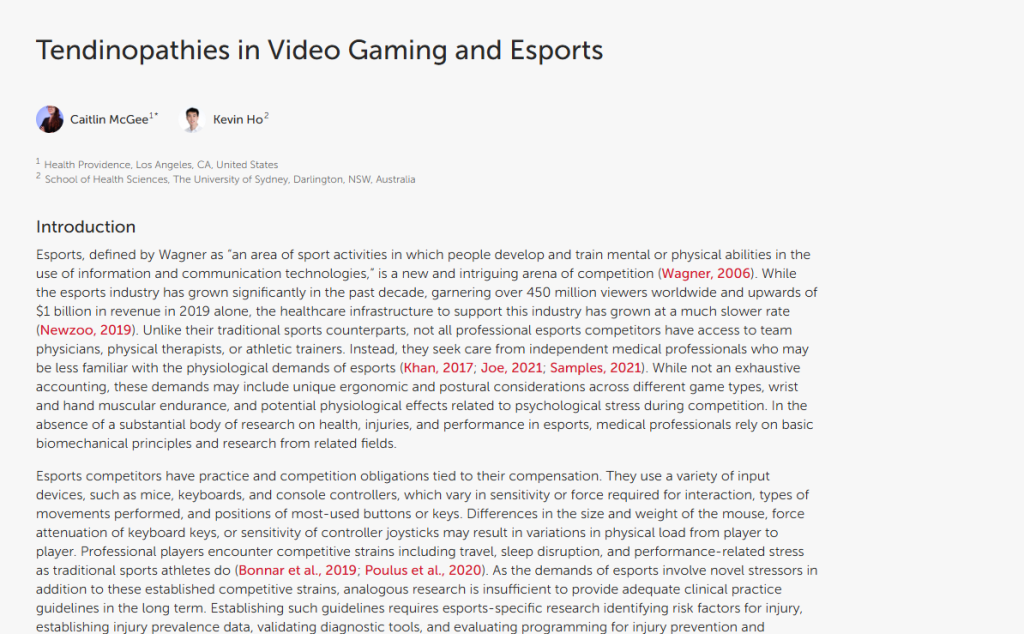
- McGee C and Ho K (2021) Tendinopathies in Video Gaming and Esports. Front. Sports Act. Living 3:689371. doi: 10.3389/fspor.2021.689371.
- Washington Post (2022). Professional esports athlete injuries. www.washingtonpost.com/video-games/esports/2022/03/14/professional-esports-athlete-injuries
- ESPN. The health care hype man of esports. www.espn.com/gaming/story/_/id/17476003/the-health-care-hype-man-esports
- U.S. Academic Esports. Careers in Esports Webinar Series: Dr. Matt Hwu from 1HP. www.usacademicesports.com/career-webinars/careers-in-esports-webinar-series-dr-matt-hwu-from-1hp
- APTA Allied Health. Event Details: Dr. Matt Hwu. www.aptaali.org/events/EventDetails.aspx?id=1693513
- Razer Press. How Gaming Chairs Benefit Gamers: An Inside Look with Dr. Matthew Hwu, Founder of 1HP. press.razer.com/featured/how-gaming-chairs-benefit-gamers-an-inside-look-with-dr-matthew-hwu-founder-of-1hp-organization
- Yahoo Life. Matthew Hwu, Gamer Physical Therapist. www.yahoo.com/lifestyle/matthew-hwu-gamer-physical-therapist-220000656.html
▶Key Studies & Science Supporting Our Methodology
- Lewis, J., Trinh, P. and Kirsh, D. (2011). A Corpus Analysis of Strategy Video Game Play in Starcraft: Brood War. UC Merced.
- Szeto, G.P.Y., Straker, L.M. and O’Sullivan, P.B. (2005). The effects of speed and force of keyboard operation on neck–shoulder muscle activities in symptomatic and asymptomatic office workers. International Journal of Industrial Ergonomics, 35(5), 429–444.
- DiFrancisco-Donoghue, J., Balentine, J., Schmidt, G. and Zwibel, H. (2019). Managing the health of the eSport athlete: an integrated health management model. BMJ Open Sport & Exercise Medicine, 5(1), e000467.
- Cook JL, Feller JA, Bonar SF, et al. Abnormal tenocyte morphology is more prevalent than collagen disruption in asymptomatic athletes’ patellar tendons. J Orthop Res 2004;22:334–8.
- Hamilton B, Purdam C. Patellar tendinosis as an adaptive process: a new hypothesis. Br J Sports Med 2004;38:758–61.
- Benjamin M, Ralphs JR. Fibrocartilage in tendons and ligaments—an adaptation to compressive load. J Anat 1998;193(Pt 4):481–94.
- Docking S, Samiric T, Scase E, et al. Relationship between compressive loading and ECM changes in tendons. Muscles Ligaments Tendons J 2013;3:7–11.
- Cook JL, Purdam C. Is compressive load a factor in the development of tendinopathy? Br J Sports Med 2012;46:163–8.
- Zabrzyński, J., et al. (2018). Electron microscope study of the advanced tendinopathy process of the long head of the biceps brachii tendon treated arthroscopically. Folia Morphologica, 77(2), 371–377.
- Attia, M., et al. (2014). Greater glycosaminoglycan content in human patellar tendon biopsies is associated with more pain and a lower VISA score. Br J Sports Med, 48(6), 469–475.
- Wheeler PC. Nearly half of patients with chronic tendinopathy may have a neuropathic pain component. BMJ Open Sport Exerc Med 2022;8(3):e001297.
- Rio, E., et al. The Pain of Tendinopathy: Physiological or Pathophysiological? Sports Med 44, 9–23.
- Ackermann, P., et al. (2023). Tendon pain — what are the mechanisms behind it? Scand J Pain, 23(1), 14–24.
- Bashir U, Bell D, et al. Gadolinium contrast agents. Radiopaedia.org.
- Moseley, Lorimer. (2007). Reconceptualising pain according to modern pain science. Physical Therapy Reviews, 12, 169–178.
- Huisman, E., et al. (2014). Enhanced collagen type I synthesis by human tenocytes subjected to periodic in vitro mechanical stimulation. BMC Musculoskelet Disord 15, 386.
- Cook JL, Rio E, Purdam CR, et al. Revisiting the continuum model of tendon pathology. Br J Sports Med 2016;50:1187–91.
- Cook, J., & Docking, S. (2015). Defining “tissue capacity”: a core concept for clinicians. Br J Sports Med, 49(23), 1484–1485.
- Malliaras, P., et al. (2015). Patellar Tendinopathy: Clinical Diagnosis, Load Management, and Advice for Challenging Case Presentations. J Orthop Sports Phys Ther, 45(11), 887–898.
- Benjamin, M et al. Structure-function relationships in tendons: a review. J Anat 2008;212(3):211–28.
- Docking, S. I., Ooi, C. C., & Connell, D. (2015). Tendinopathy: Is Imaging Telling Us the Entire Story? J Orthop Sports Phys Ther, 45(11), 842–852.
- Bley, B. & Abid, W. Imaging of Tendinopathy: A Physician’s Perspective. J Orthop Sports Phys Ther 2015;45(11):826–8.
- Magnusson, S., Langberg, H. & Kjaer, M. The pathogenesis of tendinopathy: balancing the response to loading. Nat Rev Rheumatol 6, 262–268 (2010).
▶Topics We Have Covered On Reddit
Understanding Your Injury
- Is it actually carpal tunnel syndrome?
Carpal tunnel accounts for less than 1% of the wrist pain cases we see. Learn how to tell the difference and why the misdiagnosis happens so often.
- How does RSI actually develop?
The "too much, too quick, too soon" principle explained. Why small repetitive movements cause big problems over time, and why rest alone doesn’t reverse it.
- The healthbar framework
Think of your tendons like a video game healthbar. Every click depletes it. Only endurance training builds it back. A simple model for understanding your capacity.
- Can RSI cause permanent damage?
The fear of making it permanently worse keeps many people from recovering. Here’s what a decade of treating 3,000+ cases actually shows.
- Why chronic pain won’t go away
If you’ve been dealing with this for over a year, the problem changes. Here’s how RSI becomes chronic and what a more complete treatment approach looks like.
- Why your doctor is right and missing the point
All pain is processed in the brain — but that doesn’t mean it isn’t real. The structural and neuroplastic models of pain, and why you need both to fully recover.
Specific Conditions
- Do I have thoracic outlet syndrome?
About 8% of arm and hand pain cases are actually TOS. Includes self-assessment tests, the three compression sites, and how to tell it apart from carpal tunnel and cubital tunnel.
- Cubital tunnel syndrome
Pinky and ring finger tingling that worsens when your elbow is bent? This explains how forearm endurance deficits compress the ulnar nerve and what to do about it.
- De Quervain’s tenosynovitis
Pain at the base of the thumb when gripping or scrolling. Why surgery is rarely necessary and how to fix the underlying tendon endurance deficit instead.
- Tennis elbow (lateral epicondylitis)
A full breakdown of what tennis elbow actually is, why cortisone shots make it worse long-term, and a progressive loading protocol to fix it for good.
- Before you get carpal tunnel surgery
If your symptoms don’t include numbness in your thumb, index, and middle fingers, it may not be CTS at all. What to try before an irreversible decision.
- Wrist tendinopathy: the full guide
The most common RSI diagnosis, explained from first principles. Covers the tendinopathy spectrum, why it’s not the same as tendonitis, and how to treat it at each stage.
Why Traditional Treatments Fail
- Why medication, injections, and surgery haven’t helped
They treat the source of the pain, not the cause. Here’s the difference, and why cortisone injections in particular are now considered harmful for tendon problems.
- How the healthcare system delays recovery
Less than 2% of medical school curriculum covers musculoskeletal conditions. Here’s why your doctor gave you outdated advice, and what to do instead.
- Do MRI and ultrasound results actually matter?
Abnormal imaging is found in 59% of people with zero pain. Why imaging alone is a poor diagnostic tool for RSI, and what a proper evaluation should look like.
- Why social media makes RSI worse
Fear-avoidance, catastrophizing, and misinformation echo chambers can actively slow your recovery. How to filter what you read and protect your mindset.
How To Fix It
- The complete RSI handbook
Everything in one place. A five-part structured guide covering the healthcare system, the physiology, treatment, what doesn’t work, and complex nerve cases.
- Case study: pain-free in 10 weeks
A detailed look at how we helped a programmer go from instant pain with typing to a full pain-free workday, including the full exercise program and pain science approach used.
- For software engineers and desk workers
Work sprints, hackathons, and long coding sessions are the most common trigger. How load management and endurance training apply specifically to a desk-work lifestyle.
- For drummers and musicians
14,400 wrist movements per hour of drumming. The specific muscle groups involved, why stretching alone won’t save you, and the prevention protocol that actually works.
- For gamers: the interactive wrist guide
Find your pain pattern, get the right exercises. Built by a DPT who works with professional esports teams, adapted for every gamer from casual to competitive.
- Case study: helping the former #1 osu! player
Sytho went from 40 minutes of play to 7 hours daily in 4 weeks. His endurance was fine. The real issue was fear-avoidance. A detailed breakdown of how we got him back.
Ergonomics And Setup
- Should you get a vertical mouse?
It depends on where your pain is. A scenario-by-scenario guide based on your specific pain pattern, with the biomechanics of why the same mouse helps some people and hurts others.
- Should you float your wrists when typing?
A lot of CS professors teach this. It’s wrong. Here’s the biomechanical reason floating your forearms increases strain, and what to do instead.
- How much does ergonomics actually matter?
Ergonomics accounts for about 10 to 20% of most RSI cases. The rest is tissue capacity and lifestyle. Why changing your peripherals without exercising is like buying better shoes for a marathon you never trained for.
- Death gripping your mouse
Why death gripping happens, how the stress response drives it, and how to retrain your grip using cardio, biofeedback, and specific aim training protocols.
For Gamers
- Which League of Legends champions are worst for your hands?
We surveyed 334 players. Zeri, Evelynn, Cassiopeia, and Kalista top the list. A breakdown of which mechanics cause the most strain and why.
- Wrist pain from platformers and action games
High-stress boss fights and sustained grip tension are a specific pattern. Why intense platformers put unusual strain on your hands and how to stay ahead of it.
- Wrist pain from high-APM games (osu!, rhythm, RTS)
High actions-per-minute games create a specific injury profile. Why the standard doctor advice fails this population and what a proper recovery approach looks like.
- Gaming health AMA with our full team
A full Q&A covering wrist pain, posture, sleep, nutrition, mental performance, and injury prevention for competitive players at every level.
Pain, Fear, And The Recovery Mindset
- The pain-fear cycle
Fear-avoidance beliefs predict disability more strongly than actual tissue damage. How chronic pain rewires your brain, and why addressing the psychological side is not optional.
- Protecting your mindset during recovery
What to look out for in online communities, how to identify fear-amplifying content, and a checklist for telling the difference between evidence-based advice and misinformation.
- You are not making it permanently worse
The single most common belief that slows recovery. The physiology of why peripheral nerves regenerate, why degenerative tendons are still mostly healthy, and what the research actually shows.
The 1HP Team
We Are Here For You.
Repetitive Strain Injury Specialists